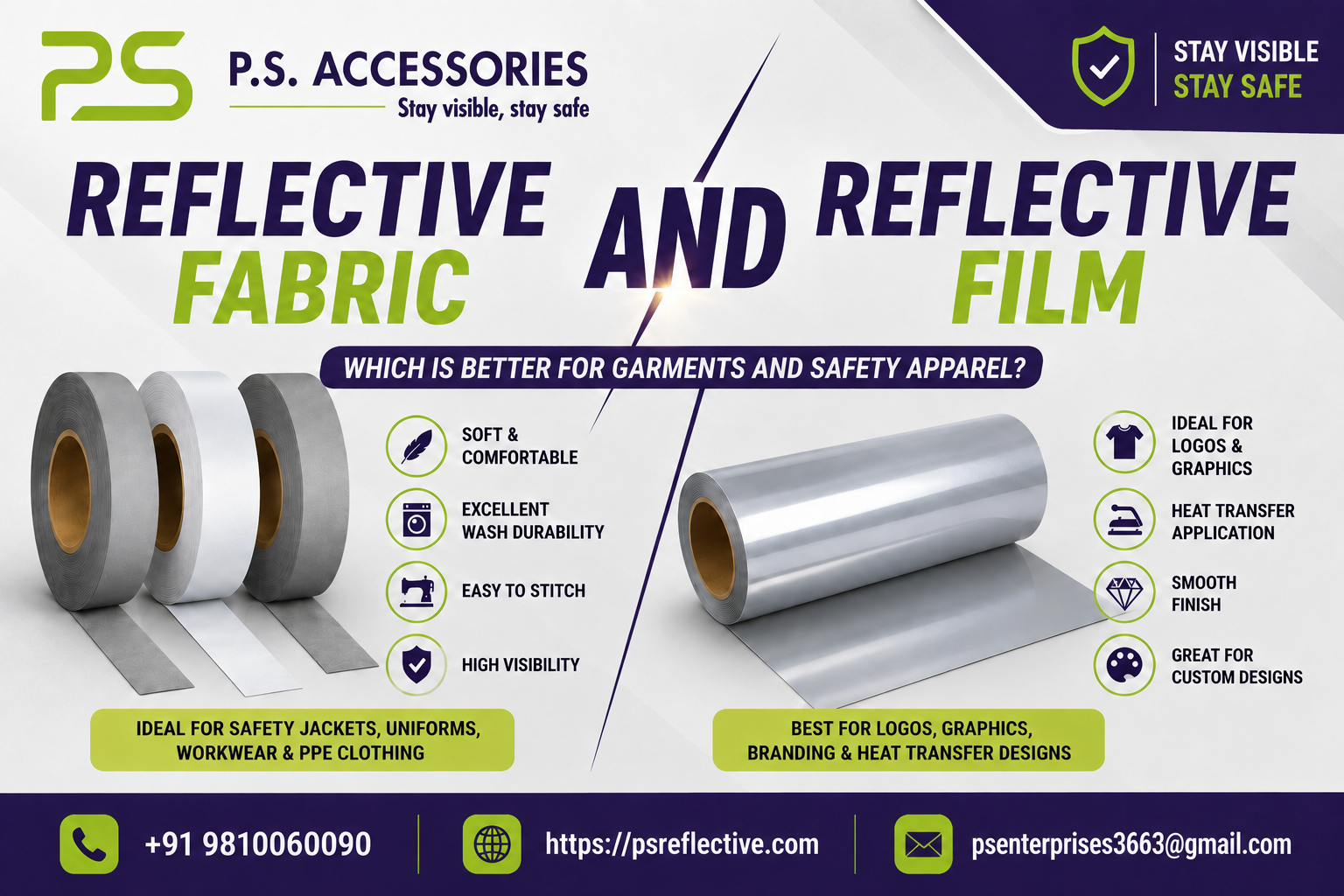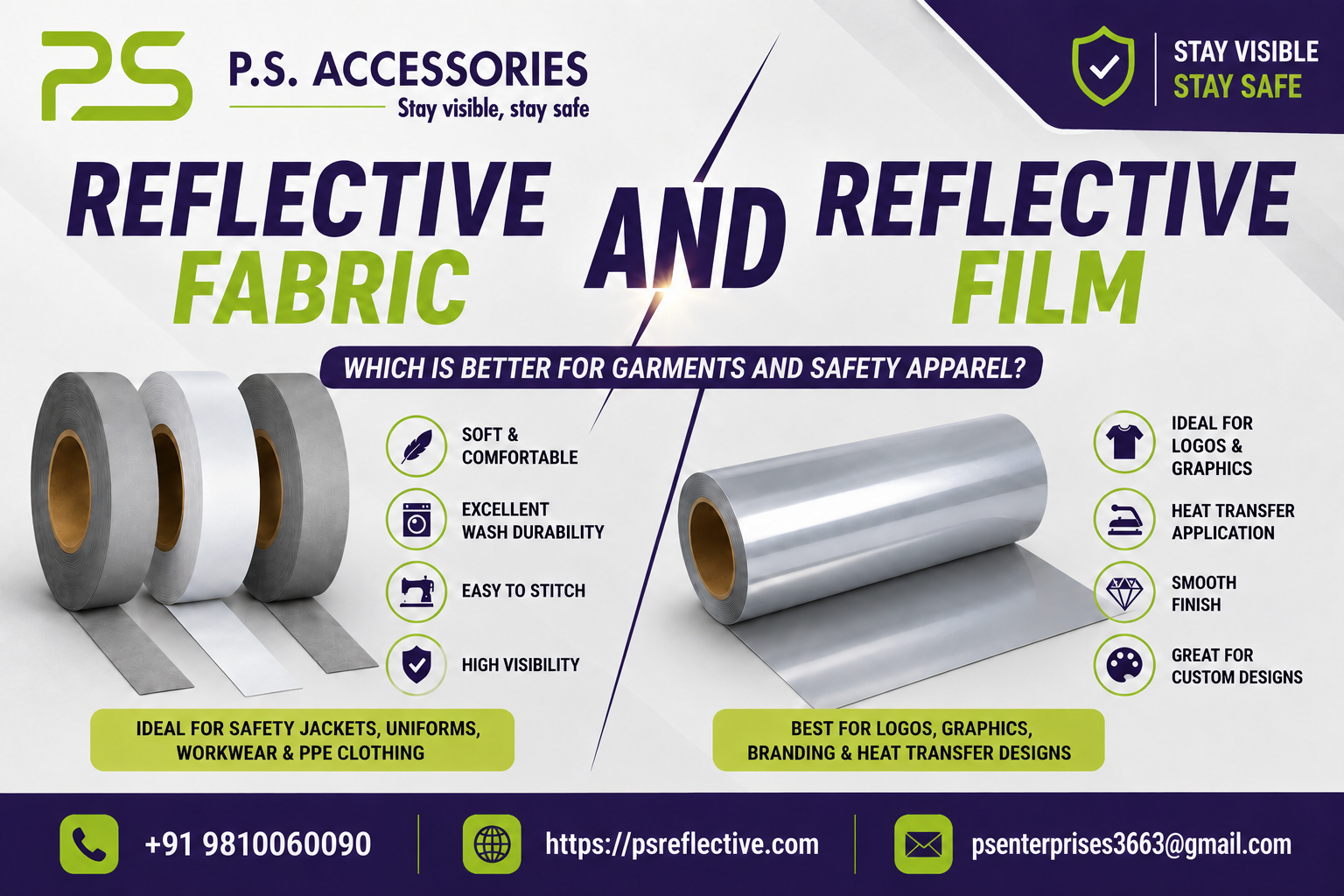
Choosing the right reflective material is one of the most important decisions when manufacturing safety clothing, workwear, uniforms, sportswear, or fashion garments. While both Reflective Fabric and Reflective Film improve visibility in low-light conditions, they are designed for different purposes.
Many garment manufacturers and apparel brands often ask the same question:
Should we use Reflective Fabric or Reflective Film?
The answer depends on the type of garment, the application method, and the final look you want to achieve.
In this guide, we'll explain where each material works best, how it is used, and how to choose the right option for your garment.
What Is Reflective Fabric?
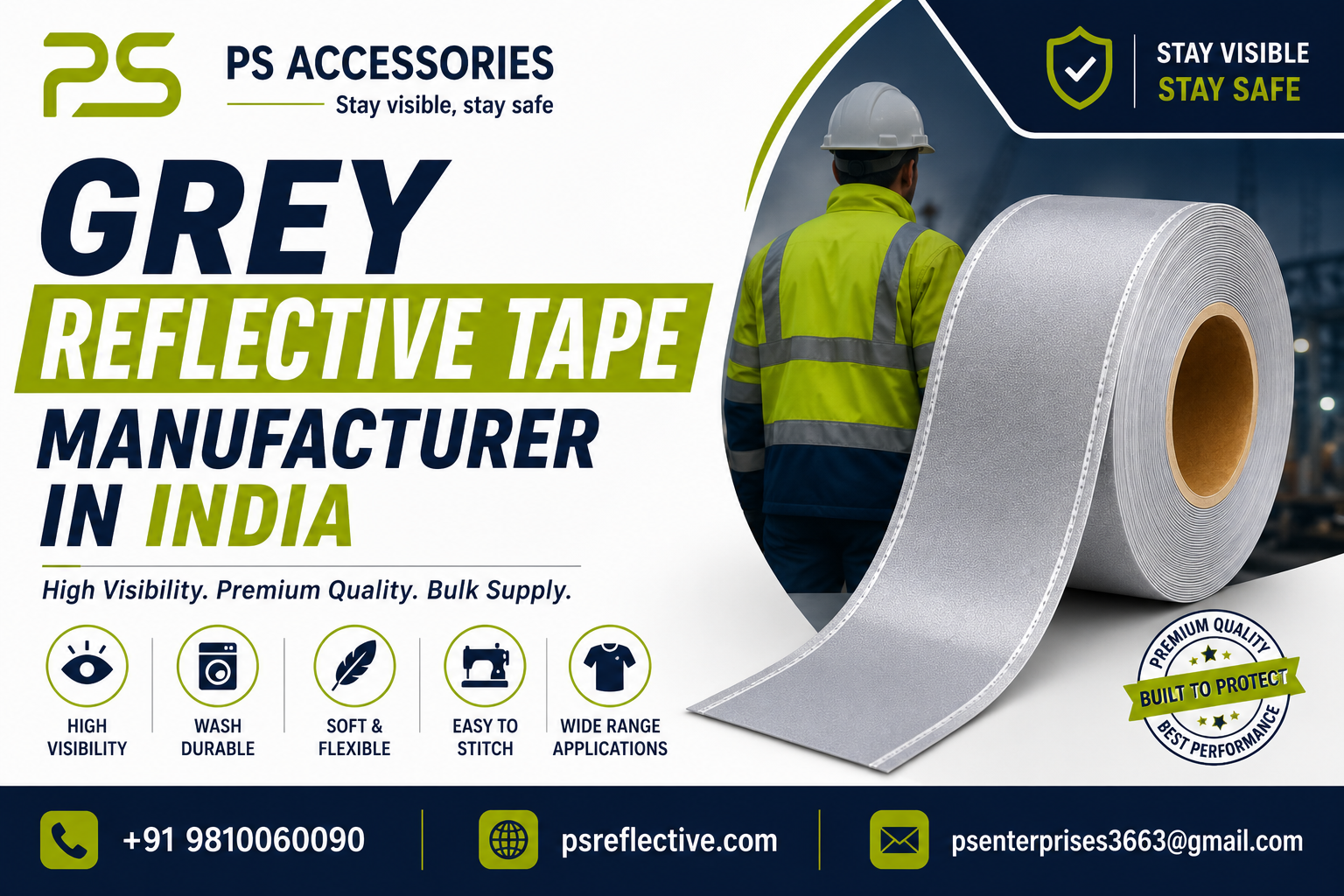
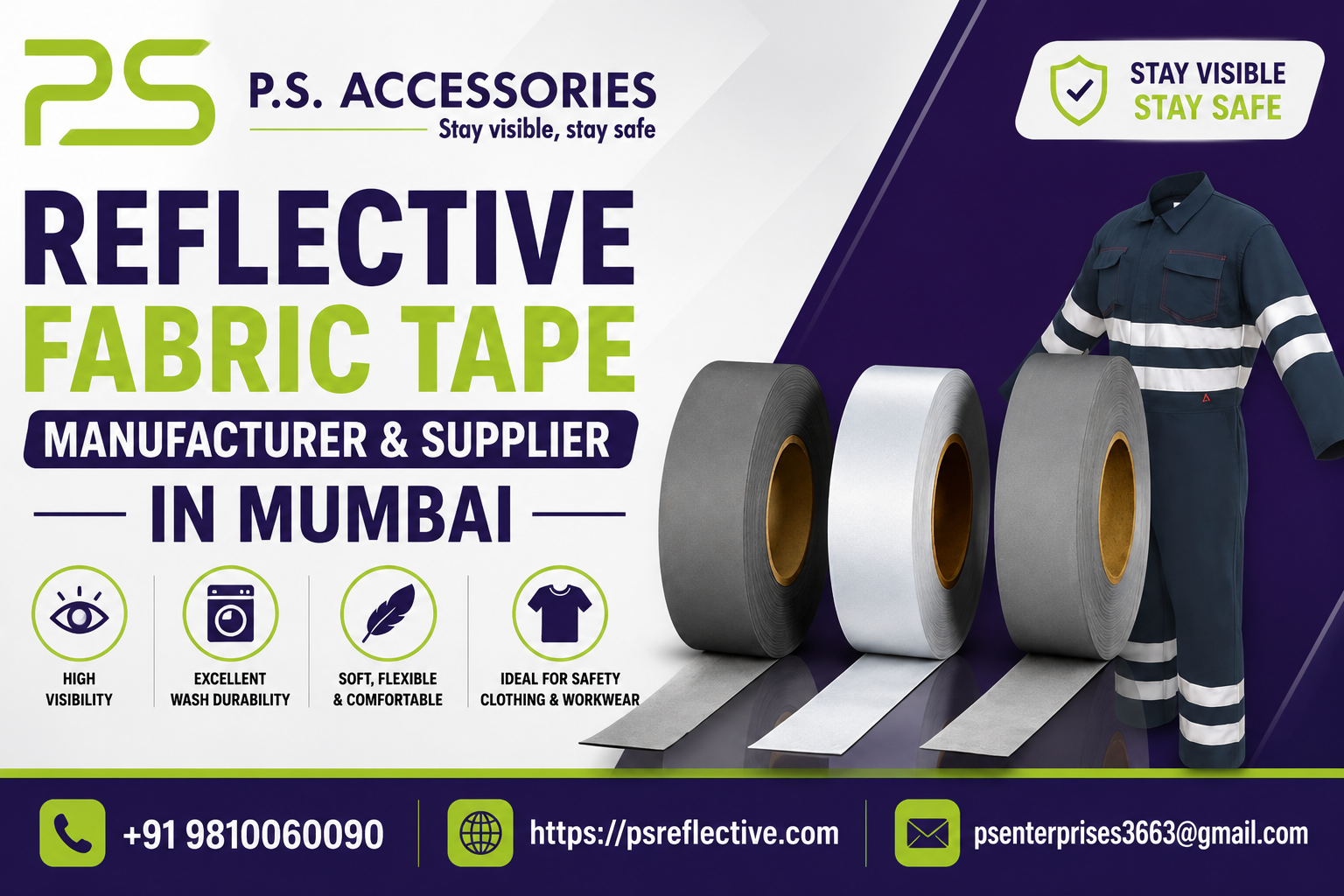
Reflective Fabric is a textile-based reflective material specially developed for garments. It is soft, flexible, durable, and comfortable, making it an ideal choice for clothing that is worn daily.
It is widely used in:
- Safety Jackets
- Industrial Workwear
- Reflective Vests
- PPE Clothing
- Corporate Uniforms
- Factory Uniforms
- Rainwear
- Sportswear
- Outdoor Apparel
- School Bags
- Backpacks
Reflective Fabric is available as Sew-On Reflective Tape, Heat Transfer Reflective Fabric, Flame Resistant Reflective Tape, and other garment-friendly options.
What Is Reflective Film?
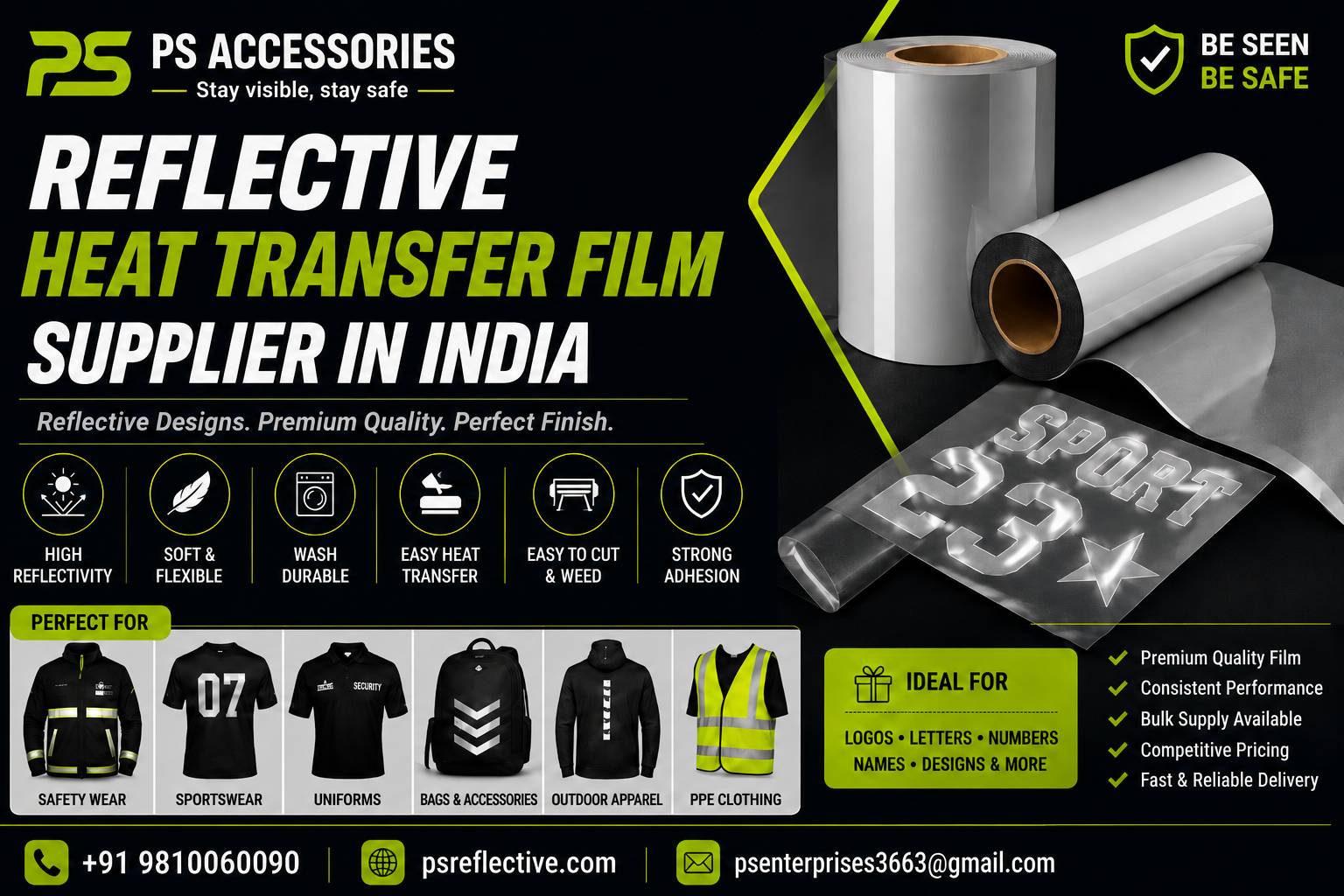
Reflective Film is a thin reflective material designed mainly for heat transfer applications. Instead of stitching it onto garments, it is applied using heat and pressure.
It is commonly used for:
- Company Logos
- Brand Names
- Reflective Graphics
- Printed Designs
- Fashion Apparel
- Sports Jerseys
- Promotional Clothing
- Decorative Reflective Elements
Reflective Film creates a smooth and clean finish, making it ideal for custom branding.
Where Should You Use Reflective Fabric?
If your garment needs comfort, flexibility, and long-lasting performance, Reflective Fabric is usually the better option.
It is commonly used in:
- Safety Jackets
- Industrial Uniforms
- Construction Workwear
- Warehouse Uniforms
- Logistics Uniforms
- Security Uniforms
- Fire Resistant Clothing
- Reflective Vests
- Rainwear
- Outdoor Clothing
Since it behaves like fabric, it moves naturally with the garment and remains comfortable even during long working hours.
Where Should You Use Reflective Film?
Reflective Film is best suited for garments where appearance and branding are more important than stitched reflective strips.
It works well for:
- Company Logos
- Brand Labels
- Sportswear Graphics
- Fashion Designs
- Promotional T-Shirts
- Custom Printed Apparel
- Heat Transfer Branding
If you need sharp edges, custom shapes, or detailed artwork, Reflective Film is the right choice.
Reflective Fabric or Reflective Film – Which One Should You Choose?
There isn't a single answer because both materials serve different purposes.
Choose Reflective Fabric if you need:
- Soft and flexible material
- Comfortable garments
- Wash durability
- Sew-on application
- Safety Jackets
- Industrial Workwear
- PPE Clothing
- Bulk garment production
Choose Reflective Film if you need:
- Heat transfer application
- Company logos
- Reflective branding
- Custom graphics
- Sportswear designs
- Fashion apparel
- Decorative reflective effects
Why Most Safety Garment Manufacturers Prefer Reflective Fabric
For safety clothing, durability and comfort matter just as much as visibility.
That is why most manufacturers choose Reflective Fabric for:
- Industrial Safety Jackets
- Coveralls
- Reflective Vests
- Factory Uniforms
- Construction Uniforms
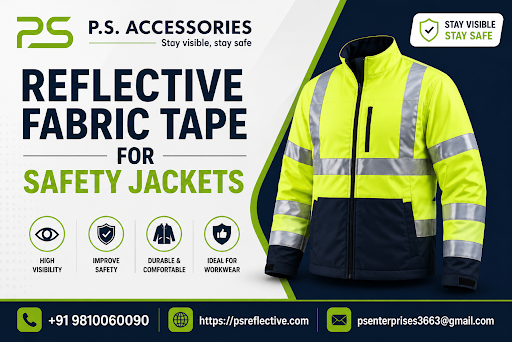
It offers excellent flexibility, better wearer comfort, and reliable performance throughout the garment's life.
Can Both Materials Be Used on the Same Garment?
Yes.
Many premium garments combine both materials.
For example:
- Reflective Fabric Tape is stitched onto sleeves, chest, and legs for visibility.
- Reflective Film is used to apply company logos or branding on the front or back.
This combination provides both safety and a professional appearance.
How to Select the Right Reflective Material
Before choosing a reflective product, consider:
- How the garment will be used
- Whether stitching or heat transfer is required
- Washing frequency
- Comfort requirements
- Branding requirements
- Production volume
- Design flexibility
Selecting the right material at the beginning helps improve garment quality and reduces production issues later.
Why Choose PS Accessories?
At PS Accessories, we manufacture reflective materials specifically for the garment industry.
Our product range includes:
- Sew-On Reflective Fabric Tape
- Heat Transfer Reflective Tape
- Reflective Heat Transfer Film
- Flame Resistant Reflective Tape
- Elastic Reflective Tape
- Silver Reflective Fabric
- Custom Reflective Textile Solutions
We supply garment manufacturers, PPE companies, exporters, and uniform manufacturers across India with consistent quality and reliable bulk production.
Final Thoughts
Both Reflective Fabric and Reflective Film play an important role in modern garment manufacturing. The right choice depends on how the garment will be used.
If your focus is on Safety Jackets, Workwear, Uniforms, and PPE Clothing, Reflective Fabric is generally the preferred option because it offers flexibility, durability, and wearer comfort.
If your requirement is logos, graphics, branding, or decorative reflective designs, Reflective Film is the better solution.
Understanding where and how to use each material helps manufacturers create garments that are both functional and professional.
Frequently Asked Questions (FAQs)
1. What is the difference between Reflective Fabric and Reflective Film?
Reflective Fabric is textile-based and mainly used for garments such as safety jackets and uniforms. Reflective Film is a heat transfer material commonly used for logos, branding, and graphics.
2. Where is Reflective Fabric commonly used?
Reflective Fabric is widely used in safety jackets, industrial workwear, PPE clothing, reflective vests, rainwear, sportswear, and outdoor garments.
3. Where is Reflective Film used?
Reflective Film is mainly used for heat transfer logos, company branding, graphics, sportswear designs, and promotional apparel.
4. Can Reflective Fabric be stitched?
Yes. Sew-On Reflective Fabric Tape is specifically designed to be stitched onto garments.
5. Is Reflective Film stitched onto garments?
No. Reflective Film is generally applied using a heat transfer process.
6. Which material is better for Safety Jackets?
Reflective Fabric is the preferred choice because it offers better flexibility, comfort, durability, and long-term performance.
7. Can both materials be used together?
Yes. Many manufacturers use Reflective Fabric for visibility strips and Reflective Film for company logos and branding.
8. Which material is better for sportswear?
It depends on the design. Reflective Fabric is suitable for visibility strips, while Reflective Film is ideal for logos and Customised graphics.
9. Which reflective material is better for bulk garment manufacturing?
Reflective Fabric is generally preferred for large-scale production of safety garments and industrial uniforms.
10. Where can I buy premium Reflective Fabric and Reflective Film?
PS Accessories manufactures and supplies high-quality Reflective Fabric, Reflective Film, Heat Transfer Reflective Tape, and reflective solutions for garment manufacturers across India